
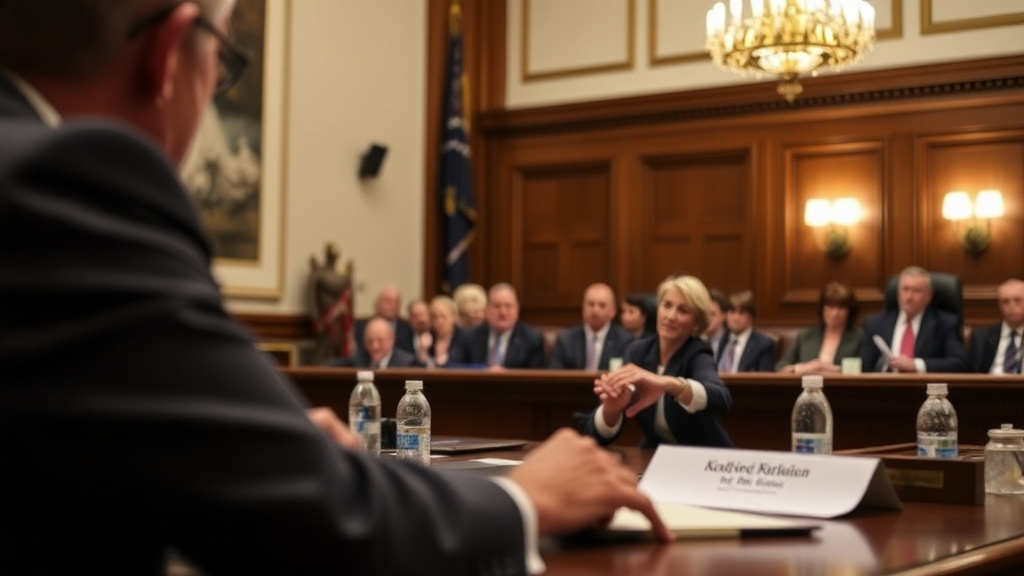
As environmental regulations encounter mounting scrutiny, a Senate committee has initiated a comprehensive inquiry into how business lobbying shapes key policy choices. The investigation reviews millions of dollars spent by industry groups to influence laws governing climate policy, pollution standards, and environmental protection. This inquiry raises pressing questions about the relationship between business interests and public good, potentially exposing the ways that corporate influence may weaken environmental protections. The findings could reshape how lawmakers approach regulatory supervision and corporate accountability.
Corporate Lobbying Spending and Environmental Regulations
The Senate committee’s investigation reveals substantial financial commitments by corporations aiming to shape environmental policy outcomes. Current data demonstrates that leading sectors jointly invested over $2.6 billion on advocacy work in the previous decade, with a considerable amount allocated to energy and environmental rules. These spending levels constitute strategic investments intended to influence legislative agendas, delay implementation of more stringent requirements, and promote industry-favorable readings of present environmental statutes. The extent of these outlays highlights the substantial resources businesses direct to political influence.
Understanding the relationship between lobbying expenditures and legislative results is critical for evaluating democratic accountability. The committee’s analysis demonstrates relationships between greater lobbying investments and significant delays in environmental regulation implementation. Significantly, sectors with the highest lobbying budgets consistently achieved advantageous amendments to pending legislation or successfully stopped regulations threatening their operational interests. This trend prompts critical questions about whether environmental regulations reflect genuine public health needs or chiefly serve corporate profit objectives, requiring extensive reform of lobbying transparency requirements.
Major Industries Facing Review
The investigation specifically targets industries with the largest environmental impact and associated lobbying expenditures. Oil and gas firms, chemical producers, agriculture conglomerates, and mining operations represent the primary focus of the committee’s review. These sectors together employ numerous lobbyists and sustain extensive networks within Capitol offices. The committee aims to document how these organizations align their messaging, fund advocacy campaigns, and exploit political ties to affect environmental policy processes at state and federal levels.
Each industry sector uses distinct lobbying strategies customized for their specific regulatory challenges and operational priorities. Energy companies concentrate on climate policy and emissions standards, while chemical manufacturers focus on pollution control regulations. Agricultural interests prioritize water quality and pesticide regulations, whereas mining companies emphasize environmental impact assessment procedures. The range of these approaches reflects deep knowledge of political systems and regulatory frameworks. The committee’s investigation is designed to expose these coordinated strategies and their combined impact on environmental policy development.
- Fossil fuel companies investing millions each year on climate policy advocacy campaigns
- Chemical manufacturers shaping environmental and safety standards nationwide
- Agricultural sector financing campaigns against water quality and pesticide restrictions
- Mining operations lobbying environmental impact assessment and reclamation standards
- Utilities companies funding efforts against renewable energy standards
Senate Committee Results and Documentation
The Senate committee’s preliminary investigation has revealed substantial evidence of business pressure on environmental regulations. Researchers documented over $500 million in advocacy spending directed toward environmental legislation over the past five years. The committee found that leading energy corporations, chemical manufacturers, and manufacturing firms deliberately aligned their lobbying campaigns to undermine planned environmental safeguards. These findings indicate a systematic pattern of influence that may have substantially changed the direction of environmental regulation at both federal and state levels.
Testimony from previous agency staff revealed how corporate lobbyists secured uncommon involvement to legislative procedures. Committee members heard accounts of business officials engaging in private sessions with government regulators, effectively shaping legislative text before public review. The investigation uncovered email exchanges showing close coordination between corporate interests and legislative staff charged with creating environmental bills. These revelations have sparked calls for enhanced disclosure rules and improved ethics safeguards within federal agencies.
Documentation of Influence Tactics
The committee’s assessment revealed numerous advanced strategies used by industry representatives to shape environmental policy decisions outcomes. Business organizations utilized front organizations and think tanks to amplify their communications while hiding corporate participation. They provided funding for research projects that challenged environmental policy necessity and economic practicality. Furthermore, corporate entities leveraged campaign contributions and legislative relationships to establish relationships with important legislative committee representatives. These layered tactics created a complicated system of power that typically remained invisible to public examination and conservation organizations.
Evidence on record presented to the committee included internal corporate communications detailing specific policy objectives and allocated budgets for promotional initiatives. Financial records traced millions of dollars moving across various intermediaries to fund lobbying professionals, consultants, and PR agencies. The committee uncovered detailed lobbying plans targeting specific senators and representatives recognized for their environmental policy positions. Notably, the investigation found evidence of coordinated messaging across multiple industry sectors, suggesting a coordinated approach to oppose stricter environmental regulations and postpone rollout schedules.
- Immediate financial donations to environmental policy committee members and leaders
- Supporting academic research challenging environmental regulation viability and necessity
- Creating shell groups to conceal business participation in lobbying efforts
- Hiring professional advocates with existing connections inside government bodies
- Organizing grassroots campaigns featuring employees and business stakeholders
Recommended Changes and Regulatory Measures
In response to the committee’s conclusions, lawmakers are advancing several broad-based reform proposals intended to curtail substantial corporate influence on environmental policy. These initiatives aim to reinforce regulatory frameworks while maintaining productive discussion between industry stakeholders and government officials. Key proposals encompass increased transparency requirements for lobbying expenditures, stricter revolving-door provisions restricting post-government employment in related industries, and increased funding for independent environmental research. Cross-party backing for certain measures suggests possible forward movement in the coming months.
The suggested changes indicate a significant shift toward advancing environmental concerns over business priorities in policy development. Advocates argue that clear lobbying standards and oversight systems will strengthen faith in the regulatory process. practical obstacles remain substantial, particularly regarding implementation systems and setting proper distinctions between lawful lobbying and excessive pressure. However, support keeps growing among environmental groups, wellness-focused groups, and transformation-focused lawmakers focused on fundamental transformation.
Openness and Responsibility Measures
Transparency serves as the foundation of proposed legislative reforms intended to limiting corporate lobbying’s outsized influence on environmental policy choices. The committee recommends mandatory, real-time disclosure of all lobbying contacts with federal departments, encompassing detailed records of meetings, communications, and financial expenditures. These measures would develop an accessible public database enabling the public, media outlets, and advocacy groups to track corporate efforts to influence policy. Greater openness could significantly transform the environmental policy landscape by uncovering formerly concealed connections between corporate representatives and public officials.
Accountability frameworks enhance transparency initiatives by creating consequences for breaches and improper conduct. Draft laws contains substantial penalties for inaccurate disclosures, unrevealed financial conflicts, and improper influence attempts targeting regulatory bodies. Autonomous monitoring organizations would track adherence and examine grievances from the public and watchdog organizations. These compliance mechanisms seek to create meaningful deterrents against improper advocacy conduct while safeguarding lawful corporate involvement in the regulatory process through appropriate procedures.
- Mandatory real-time disclosure of all lobbying contacts with government bodies.
- Public database tracking business lobbying efforts and financial expenditures openly.
- Significant fines for inaccurate disclosures and unreported conflicts violations.
- Independent oversight bodies monitoring adherence and examining citizen grievances.
- Restrictions on revolving-door practices between industry and government positions.
