
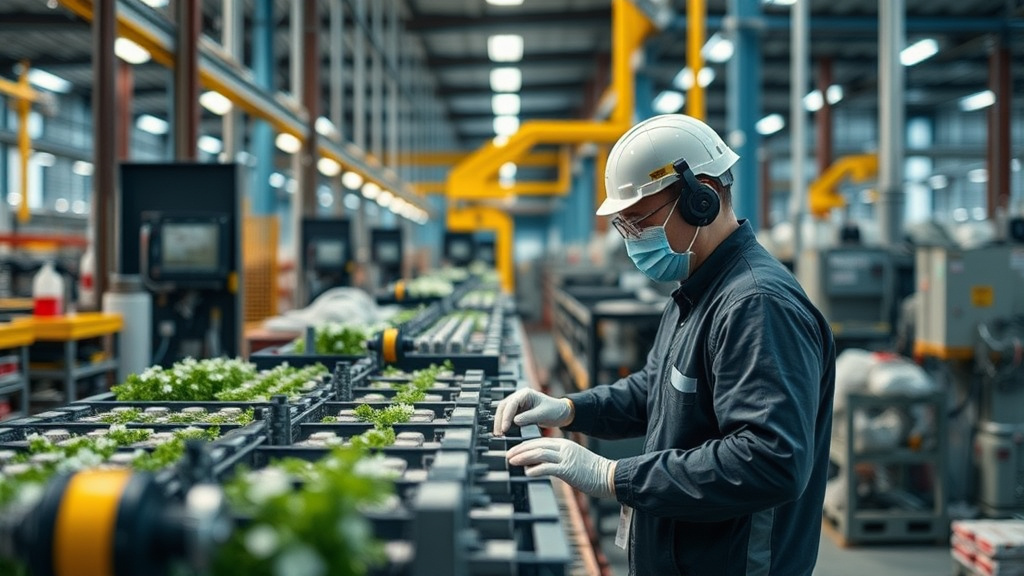
As ecological pressures grow stronger and consumer demand for eco-friendly products accelerates, international manufacturers are fundamentally transforming their production strategies. From reducing carbon emissions to cutting waste generation, industry leaders are adopting sustainable technologies and practices that deliver both environmental benefits and sustained financial returns. This article explores how major manufacturers are transforming their processes, the obstacles they encounter in this shift, and the breakthrough approaches driving the movement toward a greener industrial future.
The Rise of Green Industrial Practices
The production industry is experiencing a major shift as companies understand the critical importance of environmental responsibility in their operations. Motivated by strict environmental standards, shareholder demands, and shifting consumer preferences, manufacturers globally are rethinking their production methods. This shift signifies far more than regulatory adherence—it demonstrates a deliberate acknowledgment that sustainability initiatives can improve efficiency, decrease operational costs, and strengthen brand reputation. Industry leaders are allocating significant resources in green technologies, sustainable power solutions, and circular economy approaches that reduce environmental footprint while sustaining competitive edge in an more sustainability-focused worldwide marketplace.
Environmental responsibility in manufacturing includes several key areas, from responsibly sourcing raw materials to optimizing energy consumption and managing waste streams effectively. Organizations are adopting advanced technologies such as AI, Internet of Things sensors, and automated systems to track and lower their ecological impact. Past technological advancement, this movement demands fundamental changes in corporate culture, supply chain operations, and stakeholder engagement. As manufacturing leaders demonstrate that profitability and sustainability are compatible goals, their success is driving industry-wide adoption of sustainable practices, creating a ripple effect that promises to reshape global manufacturing for years ahead.
Main Reasons Behind the Transition
The transition to green manufacturing is shaped by various interconnected forces reshaping the international manufacturing environment. Regulatory frameworks, customer demands, and market competition are pushing manufacturers to focus on ecological accountability. Additionally, technological advancements in renewable energy and reducing waste have enabled sustainable practices to be profitable, enabling companies to reduce operational costs while fulfilling stakeholder requirements for greener practices.
Regulatory Compliance and Requirements
Governments worldwide are rolling out increasingly stringent environmental regulations that mandate sustainable manufacturing practices. The European Union’s Circular Economy Action Plan, pricing mechanisms for carbon, and emissions trading systems create legal imperatives for manufacturers to adopt cleaner production methods. Non-compliance risks major penalties, supply chain disruptions, and reputational damage, requiring firms to invest in sustainable infrastructure and processes to maintain market access and operational legitimacy.
International accords and national environmental policies establish clear sustainability benchmarks that companies must meet. These legal requirements accelerate development of air quality management, waste reduction, and efficient resource use. Companies that promptly adjust with emerging regulations gain strategic benefits, landing government contracts and partnerships with sustainability-focused clients while avoiding expensive penalties and business limitations.
Customer Demand and Market Forces
Modern buyers increasingly prefer sustainable products, driving purchasing decisions and brand loyalty. Market research indicates that eco-conscious approaches enhance brand reputation and customer engagement, notably among younger demographics. Manufacturers addressing this demand secure growing market segments, differentiate themselves from competitors, and create more robust customer relationships through openness regarding environmental commitments and eco-friendly product options.
Financial investors and institutions are emphasizing environmentally responsible businesses, channeling funds into businesses demonstrating environmental stewardship. This financial pressure motivates manufacturers to adopt sustainable practices, as access to investment capital becomes tied to environmental performance metrics. Organizations adopting sustainable practices appeal to sustainability-focused investors, improve market valuations, and lock in advantageous loan conditions while establishing a competitive edge in an increasingly sustainability-focused international economic landscape.
Deployment Approaches and Benefits
Manufacturing companies are implementing broad-based strategies to incorporate sustainability into their core operations. Key approaches encompass investing in renewable energy sources, transitioning toward high-efficiency equipment, and introducing circular economy models that decrease waste output. Many organizations are also implementing lean manufacturing techniques and undertaking routine environmental audits to uncover areas for enhancement. These strategies require substantial financial resources and staff training programs, yet companies recognize that forward-thinking initiatives today prevent expensive compliance problems tomorrow while improving their market competitiveness.
The positive impacts of eco-friendly production methods extend far beyond environmental protection. Companies achieve substantial cost savings through lower energy usage, decreased disposal fees, and enhanced process efficiency. Enhanced brand reputation draws in eco-aware customers and financial backers, while better workplace morale and retention follow from working for purpose-driven organizations. Additionally, eco-friendly initiatives often spark innovation in product development and process optimization, opening up fresh market possibilities and income sources that counterbalance upfront investment expenses, ultimately delivering strong return on investment.
