
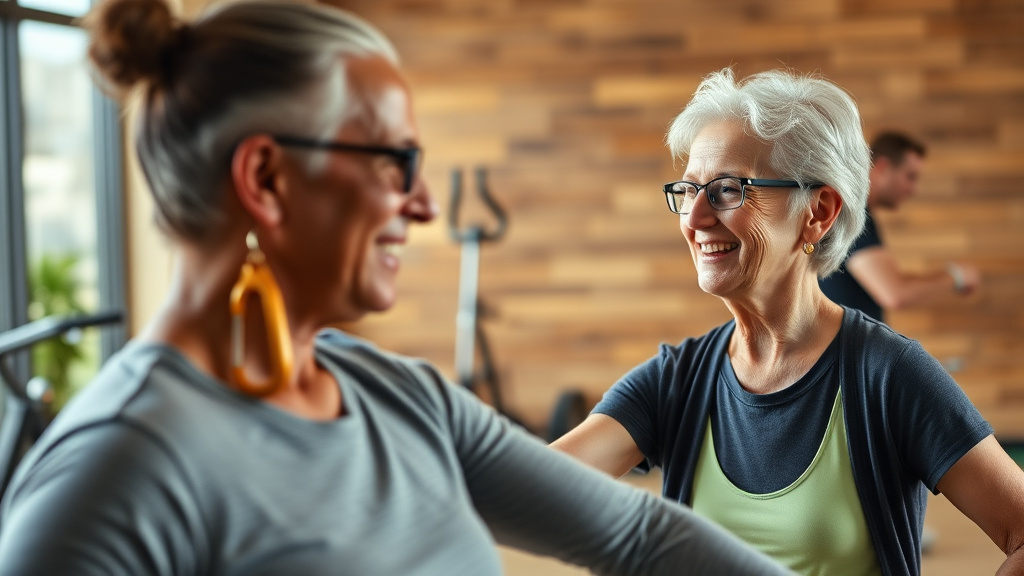
As we age, preserving physical fitness becomes increasingly crucial for preserving independence and quality of life. New research reveals that workout programs tailored for older adults can substantially boost strength, mobility, and functional abilities. This article examines scientifically-supported workout programs created to fulfill the specific requirements of seniors, revealing how targeted physical activity can reduce fall risk, improve balance, and enable older adults to remain active and self-sufficient in their daily lives.
Advantages of Tailored Exercise Programs for Aging individuals
Tailored exercise programs created for older adults deliver remarkable improvements in bodily health and functional ability. These tailored workouts address age-associated alterations in muscle mass, bone density, and heart health, helping seniors maintain power and endurance. Research consistently shows that aging individuals adhering to customized fitness programs experience enhanced balance, greater range of motion, and decreased likelihood of chronic illness. Additionally, these programs increase confidence and psychological wellness, allowing seniors to engage more actively in daily activities with increased comfort and stability.
Beyond physical benefits, personalized workout plans significantly improve independence and quality of life for seniors. By building core strength and enhancing balance, these programs reduce fall risk and associated injuries that often result in loss of autonomy. Seniors who participate in customized fitness regimens report higher energy, better sleep quality, and enhanced mental clarity. Furthermore, group exercise classes strengthen community ties and community engagement, combating isolation while promoting emotional wellness and sustained wellness for older populations.
Key Parts of Effective Older Adult Fitness Programs
Carefully structured senior exercise routines combine various physical activity to meet the varied health needs of older populations. These well-rounded initiatives blend strength training, flexibility work, balance exercises, and aerobic fitness to create a well-rounded fitness approach. By adding these key elements, older adults can enhance functional improvements, lower injury risk, and preserve the functional abilities required for independent living and sustaining an active lifestyle.
Resistance Training and Flexibility Work
Strength training forms the foundation of older adult fitness initiatives by counteracting age-associated muscle loss, a condition referred to as sarcopenia. Consistent resistance exercises with lightweight equipment, resistance bands, or body weight movements support muscle mass, bone density, and metabolic function. This greater muscular strength directly translates to better capacity to complete everyday tasks like ascending stairs, transporting shopping bags, and standing up from seated positions, significantly enhancing functional independence and reducing fall-related injuries in aging adults.
Flexibility and stretching exercises are equally vital for maintaining joint mobility and avoiding stiffness that typically comes with aging. Yoga practice, tai chi, and regular stretching programs increase flexibility, decrease muscle tension, and enhance posture. These routines promote relaxation and mental well-being, supporting a whole-person approach to older adult health that covers both physical strength and mental health for comprehensive quality-of-life improvements.
- Elastic bands offer customizable workout options safely.
- Lightweight weights develop strength without undue strain on joints.
- Bodyweight exercises enhance practical strength and balance.
- Yoga enhances flexibility and promotes conscious motion practices.
- Regular stretching maintain range of motion and prevent stiffness.
Creating and Preserving Extended Exercise Results
Building a sustainable exercise routine demands commitment, but the lasting advantages for seniors are significant. Success begins with setting realistic objectives and progressively boosting effort over time. Working with healthcare providers or qualified trainers guarantees exercises are appropriate for individual health conditions and fitness levels. Regular activity counts over intensity—consistent, moderate exercise done three to five times per week yields better results than sporadic intense workouts. Monitoring advancement through basic measurements like distance walked or workouts finished provides encouragement and responsibility, enabling seniors stay engaged with their fitness journey.
Sustaining motivation over months and years necessitates variety and social engagement. Group exercise classes, walking groups, or at-home exercise partners establish responsibility and help physical activity feel rewarding rather than like a chore. Celebrating milestones, whether restoring the ability to use stairs or extending walking range, strengthens healthy habits. Adapting exercises as fitness improves keeps routines fresh and ongoing improvement. Additionally, integrating physical activity with healthy dietary habits, adequate sleep, and stress reduction techniques establishes comprehensive wellness to healthy aging, helping older adults can preserve self-sufficiency and vigor throughout their later years.
